What if some of the change we need is already happening? Our sister project BIOTraCes has spent the past years working with local communities across Europe to find out what transformative change for biodiversity looks like in practice. As the project draws to a close, it has shared three outputs that speak directly to DAISY’s work on transformative innovations for biodiversity and equity.
A film about change that is already underway
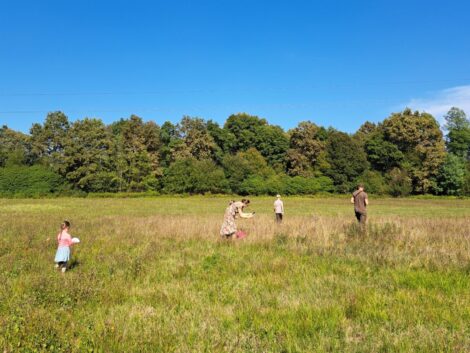
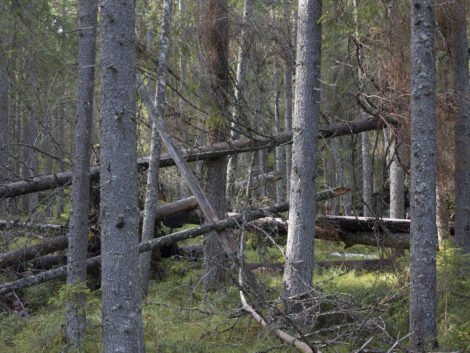
The final BIOTraCes film brings together lessons from local communities across Europe – traditional herders and forest owners, regenerative farming initiatives, communities greening schoolyards, advocates for free-flowing rivers and new approaches to nature-inclusive building. It follows the four principles that guided the project:
- Pluralising – making space for different values, knowledge and relationships with nature
- Empowering – strengthening people’s capacity to act and build change together
- Politicising – questioning the structures, institutions and power relations that stand in the way of change
- Embedding – connecting local innovations with wider institutions, policies and society
The message: transformative change does not follow a single blueprint. It can start with local knowledge, collective action and people already experimenting with different ways of living with nature. Watch the BIOTraCes film.
Seven recommendations for policy
At its policy recommendations webinar, BIOTraCes drew on nine case studies to ask what local biodiversity initiatives need in order to contribute to wider change. The result is seven recommendations: cherish local biodiversity innovations; make room for marginalised voices; foster cross-scale learning and amplification; encourage civic engagement and contestation; mainstream biodiversity and social justice; imagine nature-positive and just futures; and tailor EU funding to diverse local needs.
Local initiatives already hold valuable knowledge and ideas – but to grow their impact they need supportive governance, sustained resources, opportunities to collaborate and a stronger voice in decision-making. Read the BIOTraCes policy brief (PDF).
Case study: the Šventoji River in Lithuania
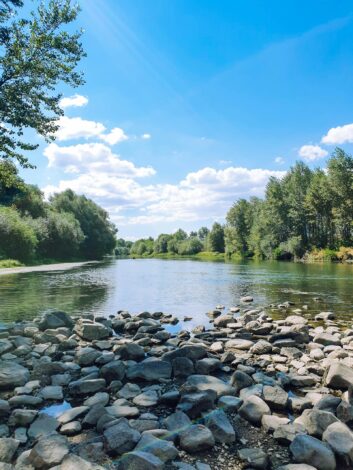
A new factsheet takes us to the Šventoji River in Anykščiai, an important ecological corridor and fish migration route. The town’s dam and reservoir, however, are closely tied to local landscape, recreation, business, cultural life and identity. Through 53 interviews with 59 people from eight stakeholder groups, BIOTraCes found that restoring river connectivity is linked to healthier habitats and fish migration, while the reservoir is valued for recreation, tourism and community life. Around a third of participants were open to dialogue about the river’s future.
For transformative governance, the case raises three questions: what will actually change, will it be done professionally and transparently, and how will it benefit both biodiversity and the community? It shows that restoration is never only an ecological question – it also means understanding how people value places, addressing uncertainty and building trust. Read the factsheet (PDF).
Why it matters for DAISY
DAISY’s Seeds Database and Transformative Intervention Mixes start from the same premise as BIOTraCes: that many of the seeds of transformative change already exist in local practice, and that the challenge is to connect, support and scale them without losing what makes them work. BIOTraCes’ principles and recommendations offer a valuable reference point as DAISY tests intervention mixes for biodiversity and equity.
Source: shared on the DAISY LinkedIn page from BIOTraCes posts (film, recommendations, factsheet).