The seed
The City Nature Challenge (CNC) began in 2016 as a friendly competition between Los Angeles and San Francisco, encouraging residents to document urban biodiversity. It has since grown into an annual global citizen science event through which cities and regions around the world record and celebrate their local wildlife. The Coventry–Warwickshire–Solihull (CWS) initiative forms part of this wider movement.
Through the iNaturalist mobile app, participants can turn everyday encounters with urban and rural biodiversity into observations that are shareable and scientifically valuable. In the CWS region, what began in 2021 with a small bioblitz organised by a handful of city council staff developed into a regional citizen science initiative documenting species across diverse landscapes, from Coventry’s urban greenspaces to the woodlands and grasslands of Warwickshire.

The drivers
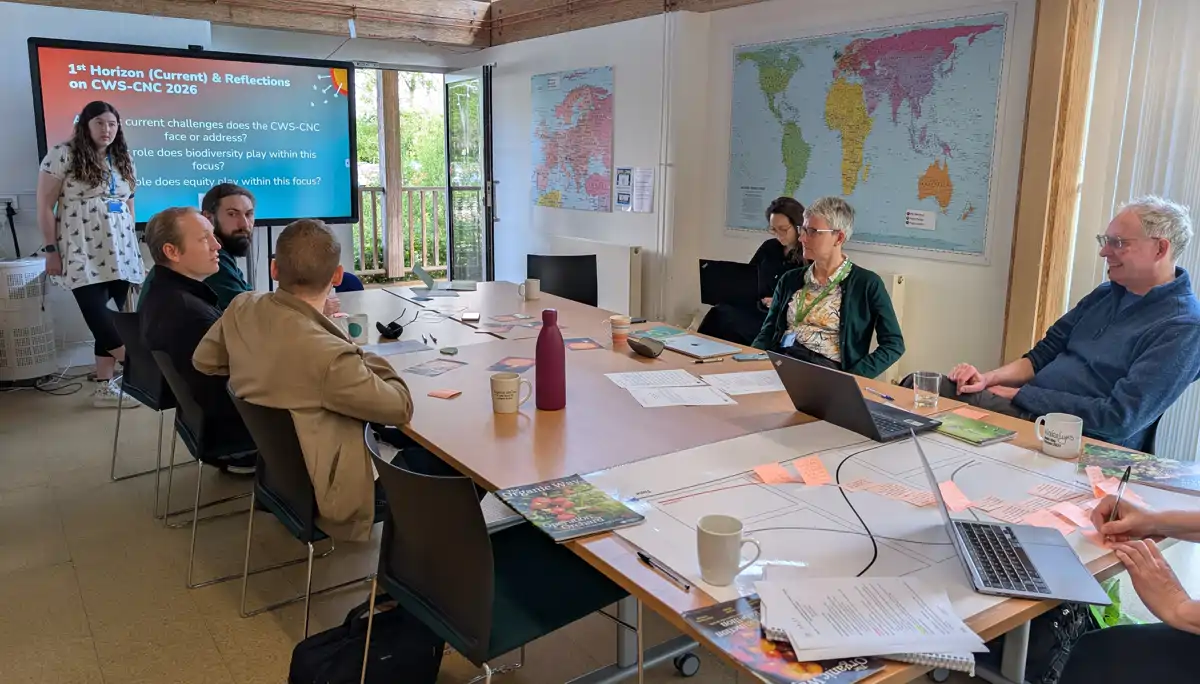
Participation is supported by a combination of accessible technology (the iNaturalist app is free, intuitive and AI-assisted), gamified engagement (including leaderboards, rankings and the annual competition between cities), the social pull of a globally synchronised event, and the opportunity to explore and connect with local greenspaces. Equally important are the efforts of local organisers, who promote the initiative, coordinate activities, engage communities and help participants discover and document biodiversity in their own surroundings. Some participants are drawn by competitive pride — eager to outrank neighbouring Birmingham in the leaderboard — while others are motivated by the simple pleasure of spending time outdoors with their children, discovering and naming the wildlife around them. For local governments, the CNC offers a rare opportunity to engage communities with biodiversity — and to generate data that could one day inform decisions. Partnerships between councils, wildlife trusts, universities, and local charities have been critical for sustaining the initiative and sharing the organisational burden. The Coventry–Warwickshire–Solihull City Nature Challenge (CWS-CNC) has been sustained over the past five years not only by its formal partnerships, but also by the ongoing personal commitment and passion of its lead organisers.

The obstacles
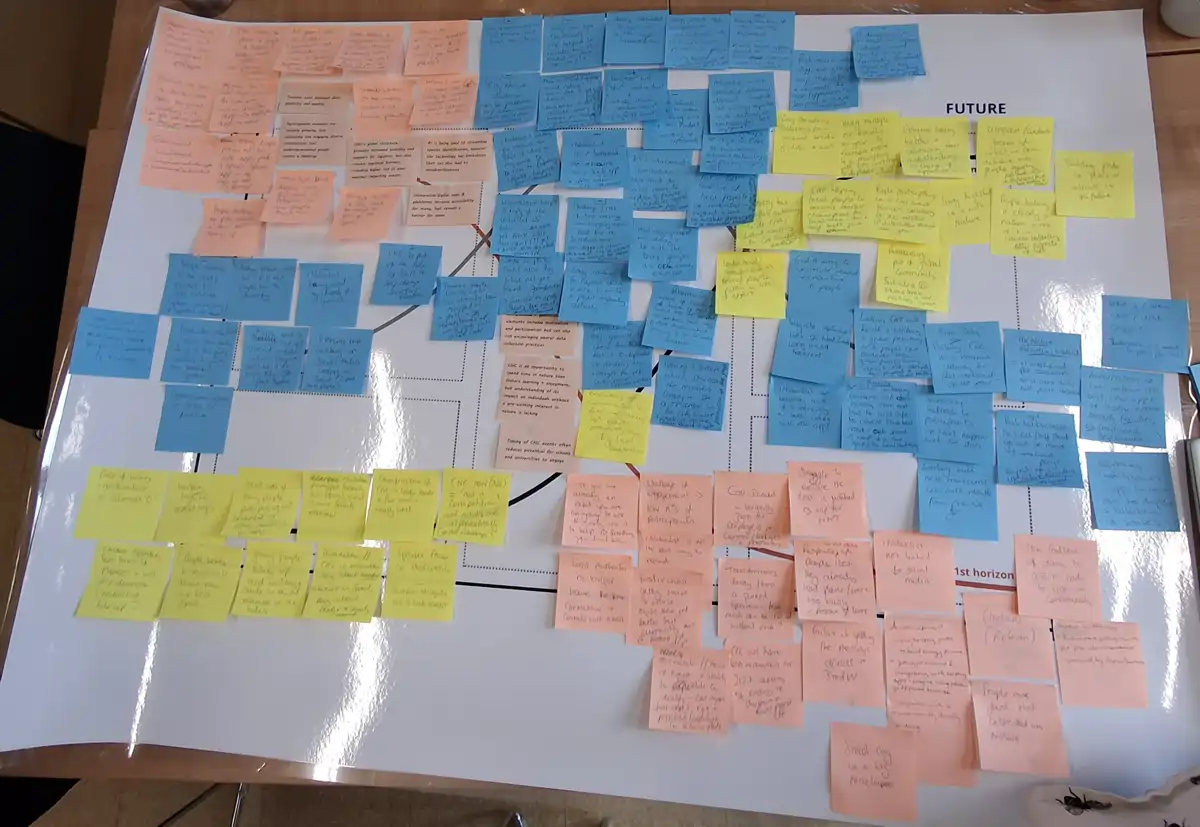
Despite the progress that has been achieved, the initiative continues to face a number of persistent structural and cultural challenges. Resource constraints in local government limit outreach, event diversity, and opportunities for year-round follow-up. The globally fixed late-April timing can also clash with UK school holidays and is often affected by poor weather, reducing opportunities for wider public participation.
A cultural divide also persists between expert naturalists, some of whom remain sceptical of AI-assisted or casual identifications, and members of the general public, whose participation is encouraged but whose data quality may be questioned. The competitive framing of the City Nature Challenge, while motivating for many participants, can also shape behaviour in unintended ways, for example when observations include cultivated plants rather than wild species.
Inclusivity remains a further challenge. The CWS-CNC, like many citizen science initiatives, tends to attract people who already have an interest in nature, while some communities remain underrepresented. Addressing these barriers will therefore be important if the initiative is to broaden participation and sustain engagement over the longer term.

The transformation potential
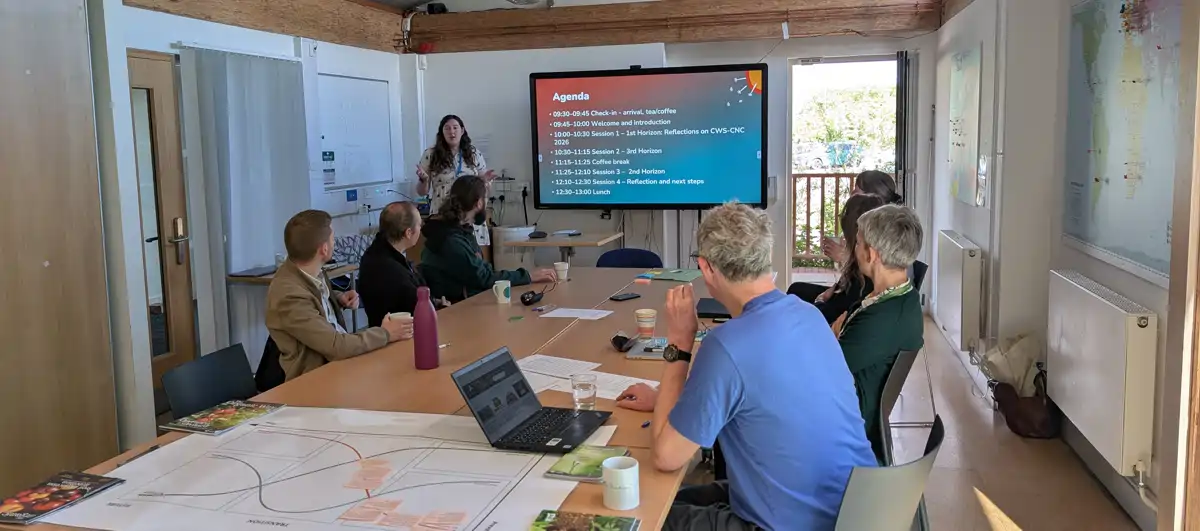
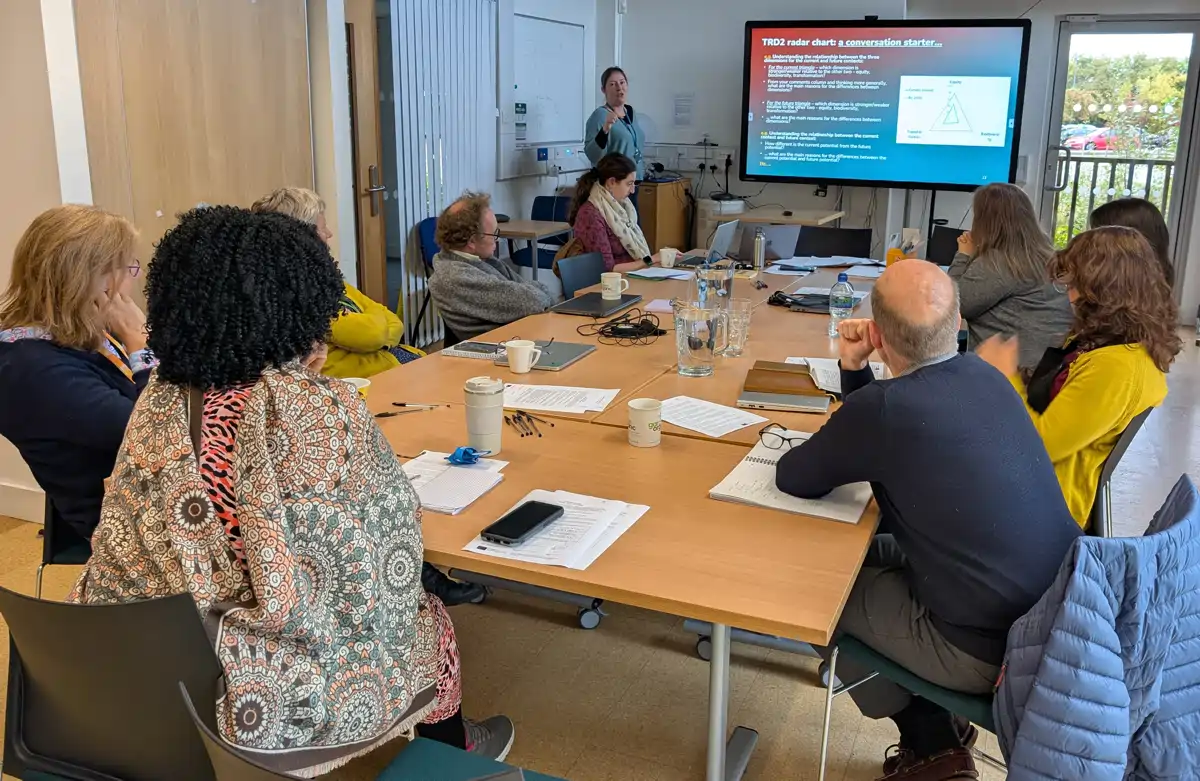
The transformation potential of the initiative lies in its ability to strengthen long-term engagement with local biodiversity and citizen science. Rather than already demonstrating systemic transformation, the CWS-CNC has the potential to contribute to it by building sustained relationships between communities, local authorities and partner organisations.
The continuation of these partnerships suggests growing institutional commitment, while also highlighting the extent to which participating organisations rely on one another’s support to sustain the initiative over time. This collaborative foundation may create opportunities to connect the CWS-CNC with wider programmes such as Nature Towns and Cities, supported by the National Lottery Heritage Fund, and use it as a gateway to broader community engagement with nature.

Desired future
The desired future sees biodiversity recording becoming part of everyday life rather than an activity concentrated around a single annual event. Communities develop stronger relationships with local nature, take pride in the biodiversity around them and increasingly share ecological knowledge, while recording and stewardship become socially embedded practices. The City Nature Challenge evolves into a wider, year-round culture of ecological awareness, supported by volunteer-led activities, community initiatives and multiple local events. Participation also becomes broader and more inclusive, particularly for groups that have traditionally been underrepresented in citizen science and access to nature.
In this future, schools, universities, local authorities, wildlife organisations, museums, media and community groups form a stronger collaborative ecosystem around biodiversity. Recording is increasingly integrated into education and community life, giving people not only knowledge about biodiversity but greater capacity to act on it. Biodiversity data becomes a tool for local empowerment: communities can understand environmental change, advocate for places they value and take greater ownership of their local environment. Technology remains important, but its value lies in strengthening participation, learning and relationships with nature rather than simply increasing the volume of observations.

Potential transformative intervention mixes
Reaching this future requires combining social, educational, organisational and technological interventions rather than relying on a single platform or event. A central direction is to move from the annual City Nature Challenge towards continuous and distributed engagement through seasonal recording events, links with other biodiversity campaigns and year-round community activities. Schools are particularly important leverage points: biodiversity recording could become part of classroom activities, homework and wider environmental education, helping ecological literacy develop from an early age.
Digital interventions can support this transition through better interoperability between biodiversity platforms, improved AI-assisted identification, audio and video recording, automation and more accessible app design. These can be combined with QR-linked biodiversity maps, public displays and potentially augmented-reality experiences that make local biodiversity more visible. At the same time, social and cultural interventions are essential: public biodiversity activities, media campaigns, locally rooted storytelling and carefully designed forms of gamification can strengthen participation and emotional connection to place.
The transformative potential of these interventions depends on how they are combined. Technology that merely makes existing recording practices more efficient may reinforce the current system, while technology coupled with community leadership, accessibility, education, cross-sector collaboration and visible feedback on how biodiversity data is used can help change relationships between people and nature.